Metal Garden Trellis Buying Guide: Types, Materials, Sizes & Installation
September 4, 2026
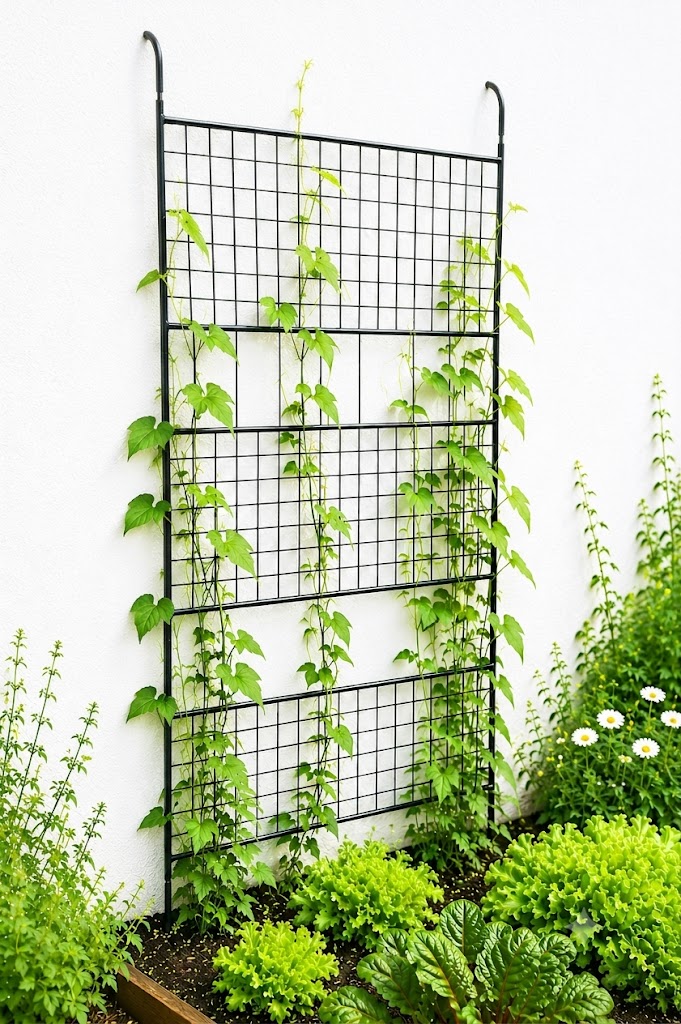
Learn how to choose the right metal garden trellis. Compare steel types, find the best height for roses, clematis and vines, and get simple installation and maintenance tips.
A metal garden trellis is the most reliable way to support heavy climbers such as climbing roses, wisteria, grapevines and clematis. Unlike lightweight wood or plastic supports, steel holds up to mature plant weight, wind and years of weather.
Quick answer: for most gardens, choose a powder-coated or galvanized steel trellis, sized for the plant's mature height and weight (2-3 m for climbing roses), and anchor it firmly. Use stainless steel near the coast and corten steel for a weathered, contemporary look.
This guide covers trellis types, materials, sizes, installation and maintenance, plus what to check if you are buying in volume.
What is a garden trellis?
A garden trellis is a framework that supports climbing plants and guides them to grow upward. It can be freestanding, wall-mounted, fence-mounted or built into a larger structure such as an arch.
Without support, mature vines tangle, stems break under their own weight, foliage becomes crowded and airflow drops. A trellis fixes this by spreading plant weight across a rigid frame.
How does a trellis work?
Different plants climb in different ways, so the trellis must suit the plant:
- Twining climbers (jasmine, morning glory) wrap stems around narrow supports.
- Tendril climbers (peas, passionflower) grip thin wires and rods.
- Clinging climbers (ivy) attach with aerial roots.
- Manually trained climbers (climbing roses) must be tied to the frame as they grow.
Fine wire grids suit light annual vines. Vigorous, woody climbers need thicker rods and reinforced construction.
Trellis vs. arbor vs. pergola
| Feature | Garden Trellis | Arbor | Pergola |
|
Primary purpose |
Plant support |
Decorative entrance |
Outdoor living structure |
|
Typical size |
Small to medium |
Medium |
Large |
|
Roof structure |
No |
Usually arched or flat |
Open overhead beams |
|
Freestanding |
Yes or no |
Yes |
Yes |
|
Supports climbing plants |
Yes |
Yes |
Yes |
|
Defines spaces |
Sometimes |
Yes |
Yes |
|
Typical application |
Walls, beds, fences, containers |
Garden entrances |
Patios, seating areas, walkways |
Benefits of a garden trellis
- Healthier plants: stems are guided toward light, and foliage dries faster after rain.
- More growing space: vertical growing suits balconies, courtyards, rooftops, raised beds and narrow side yards.
- Natural privacy: jasmine, honeysuckle, ivy and climbing roses can form a living screen.
- Better design: trellises frame entrances, divide garden rooms and hide utilities.
- Easier maintenance: pruning, harvesting and pest checks are simpler.
- Cleaner harvests: cucumbers, beans, peas and gourds stay off damp soil.
| Vegetable | Benefit of Trellising |
|
Cucumbers |
Easier harvesting and cleaner fruit |
|
Pole beans |
Efficient use of vertical space |
|
Peas |
Improved airflow and easier picking |
|
Tomatoes |
Additional support when correctly trained |
|
Bitter gourd |
Better exposure and cleaner fruit |
|
Bottle gourd |
Reduced contact with soil |
|
Grapes |
Better vine organization |
Types of Garden Trellis
Freestanding garden trellis
Supports itself in open beds and borders. Good for climbing roses, clematis, sweet peas and vegetables. Stability matters most here because the structure carries both wind load and plant weight.
Wall or fence trellis
Attaches to a wall or fence, ideal where ground space is limited. Leave a small gap between the trellis and the wall to improve airflow.
Garden trellis panels
Modular sections used alone or combined for privacy screens, balcony dividers and fence extensions. A damaged section can be replaced without replacing the whole run.
Decorative garden trellis
Combines support with patterns such as geometric cut-outs, scrollwork or arched tops. Choose by mature plant weight first and appearance second.
Privacy and screening trellis
Supports dense climbers to hide air-conditioning units, meters, sheds or bins, or to screen a seating area, pool or terrace.
| Trellis Type | Suitable Plants |
|
Vertical panel |
Star jasmine |
|
Heavy-duty steel |
Climbing roses |
|
Wire grid |
Clematis |
|
Contemporary screen |
Ivy |
|
Decorative panel |
Honeysuckle |
Garden trellis arch
Creates an entrance or transition and can carry heavy growth on both sides and overhead. Look for strong frames, reinforced joints and secure anchoring.
Trellis fence
Defines a boundary while supporting climbers, useful for allotments, community gardens and public parks.
Commercial trellis systems
Hotels, resorts, campuses, hospitals and public parks usually need modular, consistent, low-maintenance steel systems with custom dimensions and repeatable production.
Which trellis should you choose?
| Trellis Type | Best For | Strength | Ideal Plants |
|
Wall trellis |
Small gardens |
Medium |
Clematis, jasmine |
|
Freestanding trellis |
Open beds |
High |
Roses, vines |
|
Trellis panel |
Privacy and screening |
Medium–High |
Ivy, jasmine |
|
Decorative trellis |
Feature planting |
Medium |
Flowering climbers |
|
Trellis arch |
Entrances |
High |
Roses, wisteria |
|
Trellis fence |
Boundaries |
High |
Mixed climbers |
|
Commercial system |
Large landscapes |
Very high |
Multiple species |
Best material for a metal garden trellis
For demanding outdoor use, steel offers the strength vigorous climbers need. The right type depends on climate, budget and look.
Powder-coated steel combines strength with a durable, colourful finish. Check steel quality, weld integrity and surface preparation, not just the coating.
Galvanized steel has a zinc coating for excellent corrosion resistance. It suits vegetable gardens, humid climates, parks and municipal projects.
Corten steel develops a rust-toned protective patina, popular in contemporary landscapes and feature planting.
Stainless steel has outstanding corrosion resistance, suited to coastal sites, rooftops and premium projects. It costs more upfront but needs very little upkeep.
| Material | Strength | Corrosion Resistance | Maintenance | Best Applications |
|
Powder-coated steel |
Excellent |
Very good |
Low |
Residential and decorative applications |
|
Galvanized steel |
Excellent |
Excellent |
Low |
Vegetable gardens and humid environments |
|
Corten steel |
Excellent |
Good* |
Very low |
Contemporary landscapes |
|
Stainless steel |
Excellent |
Outstanding |
Very low |
Coastal and premium projects |
*Corten forms its protective patina under suitable conditions.
Garden trellis height guide
Size the trellis for the plant's mature height, spread and weight, not its size at purchase.
| Plant Type |
Recommended Trellis Height |
|
Sweet peas |
1.2–1.8 m (4–6 ft) |
|
Clematis |
1.8–2.4 m (6–8 ft) |
|
Climbing roses |
2.0–3.0 m (6.5–10 ft) |
|
Jasmine |
2.0–3.0 m (6.5–10 ft) |
|
Cucumbers |
1.5–2.0 m (5–6.5 ft) |
|
Grapevines |
2.0–2.5 m (6.5–8 ft) |
Height is not the only factor. The trellis must also handle plant weight, wind, pruning and years of exposure.
Where to install a garden trellis
- Against walls: best for small gardens and courtyards; keep an airflow gap.
- In raised beds: ideal for cucumbers, beans, peas, tomatoes and gourds.
- Along borders: adds height and supports roses, clematis and honeysuckle.
- In commercial landscapes: frames entrances and creates green screens.
Best trellis for specific plants
The right trellis depends on how each plant climbs and how heavy it gets. Use these as a starting point.
Best trellis for climbing roses
Climbing roses don't cling or twine, so every cane must be tied to the frame. Choose a heavy-duty, freestanding or wall-fixed steel trellis 2-3 m tall with horizontal bars or wires every 30-45 cm. Training canes sideways along horizontal supports encourages more flowering shoots than growing them straight up. Mature roses are heavy and catch the wind, so anchor deeply or use proper wall fixings.
Best trellis for clematis
Clematis climbs by twisting its leaf stalks around thin supports, so it struggles with thick bars. Pick a wire grid or slim-rod trellis, 1.8-2.4 m tall, with openings small enough for the stalks to grip. A powder-coated finish in a dark colour also makes the flowers stand out.
Best trellis for grapevines
Grapevines get very heavy when carrying fruit, so a light decorative panel won't last. Use a strong steel frame or arch 2-2.5 m tall with horizontal rods or wires for training and annual pruning. Galvanized steel is a practical choice for outdoor vineyards and garden arbours.
Best trellis for jasmine and privacy screens
Star jasmine and honeysuckle twine around slender supports and grow densely, making them good screening plants. A vertical panel or wire-grid trellis 2-3 m tall works well. Fix it to a wall or fence with a small gap behind it for airflow, and prune regularly so the growth doesn't overload one side.
Best trellis for cucumbers, beans and peas
Vegetable climbers grow fast in one season, so the trellis can be simpler but must be tall and stable. Use a galvanized or powder-coated panel 1.5-2 m tall in a raised bed or along a border. Wide openings make it easier to reach through and pick, and keeping fruit off the soil helps it stay cleaner.
How to install a garden trellis
A trellis is only as stable as its foundation. Soft or sandy soil needs deeper anchoring; clay can shift as moisture changes; on concrete, use fixings rated for the surface.
- Pick a spot with suitable sunlight.
- Check for underground utilities before digging.
- Mark the installation points.
- Position the trellis vertically.
- Secure anchors or wall fixings.
- Confirm it is level.
- Backfill or tighten fixings.
- Plant and water the climber.
- Tie young stems loosely with soft ties.
- Inspect fixings during the first growing season.
Common installation mistakes: using a light trellis for heavy climbers, fixing flat against a wall with no airflow gap, weak anchors, ignoring prevailing wind, planting too close, and tying stems too tightly.
Garden trellis maintenance
- Inspect welds and joints yearly.
- Check anchors and retighten fixings.
- Remove dead or damaged growth.
- Check the finish for chips or scratches and touch up promptly.
- Balance growth so one side is not overloaded.
- Clean powder-coated steel with mild soap and water.
Tip: inspect at the end of each growing season. After pruning, loose fixings and stressed joints are easy to spot.
Common mistakes when buying a garden trellis
- Choosing on looks alone. Structure comes first.
- Underestimating growth. A young rose or grapevine gets far heavier.
- Ignoring material quality. Steel thickness, welds and finish drive durability.
- Wrong installation method. Match fixings to the surface and load.
- Ignoring climate. Rain, humidity and salt air affect finish choice.
Garden trellis buying checklist
- Dimensions suited to the mature plant
- Heavy-duty construction for vigorous climbers
- Corrosion-resistant finish
- High-quality, consistent welds
- A secure installation method
- Easy maintenance
- A manufacturer with proven experience
Buying in volume: OEM and private-label trellises
Retailers, wholesalers, garden centres and landscape contractors can commission trellises made to their own specification. Typical OEM capabilities include custom design and engineering support, laser cutting, CNC bending, welding, powder coating, assembly and export packaging. Private-label programmes add branding, retail-ready packaging, labelling, barcodes, custom colours and shipping support.
Consistent output across repeat orders matters most for retail ranges and large landscaping projects.
Why choose Prestamp Engineers?
Prestamp Engineers manufactures and exports metal garden products, including heavy-duty and decorative trellises, freestanding systems, trellis panels and custom designs. Capabilities cover tooling, laser cutting, precision fabrication, welding, surface finishing and quality inspection, for both standard ranges and bespoke commercial projects.
Request a quote or catalogue | View our garden trellis range
Frequently asked questions (FAQs)
1. What is the best material for a garden trellis?
Steel is the top choice for long-term outdoor use. Powder-coated steel suits decorative gardens, galvanized steel resists corrosion in humid climates, corten offers a weathered look, and stainless steel suits coastal sites.
2. Which plants grow best on a garden trellis?
Climbing roses, clematis, jasmine, ivy, honeysuckle, grapevines, cucumbers, pole beans, peas and passionflower all do well. Match the trellis to the plant's climbing style and mature weight.
3. How tall should a garden trellis be?
Smaller climbers need about 1.5 m. Climbing roses, jasmine and grapevines do best on 2-3 m structures.
4. Can a metal garden trellis rust?
Unprotected steel can. Powder coating and galvanizing greatly improve corrosion resistance, and stainless steel resists it very well. Regular inspection extends service life.
5. Are metal trellises suitable for vegetable gardens?
Yes. They support cucumbers, beans, peas and gourds, keep produce off the soil and make harvesting easier.
6. What is the difference between a wall trellis and a freestanding trellis?
A wall trellis attaches to a wall or fence and saves space. A freestanding trellis supports itself and suits open beds and feature planting.
7. Is powder coating better than ordinary paint?
Properly applied powder coating is generally more durable and uniform, with good weather resistance and low maintenance.
8. How do I choose a trellis for climbing roses?
Pick a heavy-duty trellis of adequate height, with rigid construction and secure anchoring, sized for the rose's mature weight.
9. Can I install a trellis in a raised bed?
Yes. Freestanding or integrated metal trellises work well in raised beds for climbing vegetables and flowers.
10. What should I look for in a garden trellis manufacturer?
Manufacturing expertise, consistent quality, customisation, corrosion-resistant finishes, reliable packaging and export experience.
- The Prestamp Engineers team.
September 4, 2026